Why High-Performing Teams Burn Out as Companies Scale — And The 7 Structural Gaps Leaders Miss
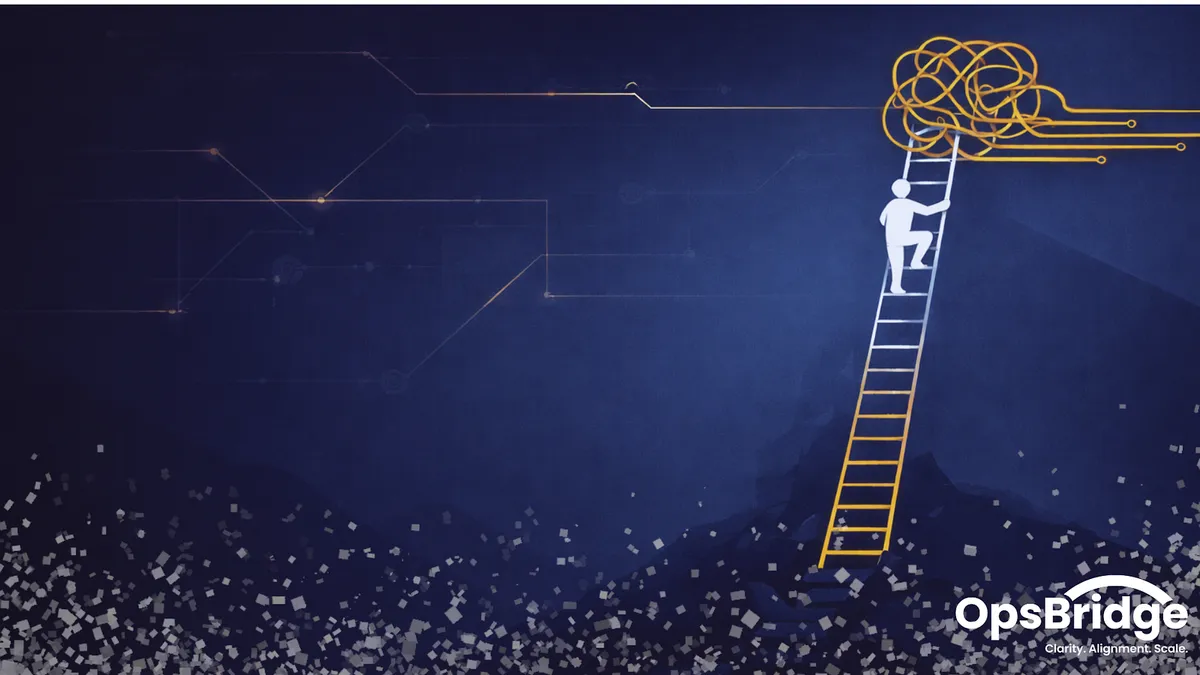
Burnout in growing companies is rarely about effort. More often it appears when the way the organization operates hasn’t kept pace with the complexity of the work.
Most leaders assume burnout means the team is overloaded.
Most leaders assume burnout means the team is overloaded. The instinct is to add headcount, push harder, or ask people to stretch a little further. Sometimes that helps in the short term, but in many scaling organizations the problem starts earlier.
The team is still capable, the effort is real, yet progress begins to feel heavier than it should.
That is usually the signal that the company has outgrown the way it operates.
As organizations grow, more work crosses team boundaries, more stakeholders enter decisions, and more priorities compete for attention. The informal ways of working that once made the company fast begin to strain. Work slows down, but expectations do not, so teams compensate. They chase clarity, fill coordination gaps, and carry problems further than they should just to keep things moving.
When capable teams start experiencing that friction, the cause is often structural.
These are the seven areas where scaling organizations most commonly create the conditions for burnout.
1. Decision Structure
In smaller companies, decisions happen quickly because the path to resolution is short. As organizations scale, decisions involve more stakeholders and more dependencies.
Without a clear structure for how decisions are made and finalized, work begins to stall while teams seek alignment. Conversations repeat, decisions reopen, and initiatives move forward in partial states while direction remains uncertain.
This creates fatigue because people carry unresolved work for longer than they should. Instead of completing one problem and moving to the next, teams juggle multiple half-decided initiatives at once.
2. Priority Stability
Scaling companies often adjust priorities faster than work can realistically be completed.
New initiatives appear, leadership attention shifts, and projects are redirected midstream. Some adjustment is natural, but when priorities change constantly, teams rarely experience the satisfaction of finishing meaningful work.
Work is started, reshaped, or replaced before it lands. Over time this erodes motivation because effort rarely converts into completion.
3. Ownership Clarity
As organizations grow, responsibilities often blur across functions. Decisions span multiple teams, but accountability for resolving them is unclear.
When ownership is ambiguous, issues do not stay neutral. They are absorbed by the most capable or conscientious people in the system. Those individuals become the informal coordinators for problems that should have had clear owners.
Over time the organization becomes dependent on a small number of people carrying disproportionate responsibility, which is one of the most reliable paths to burnout.
4. Cross-Team Alignment
Growth increases interdependence across the business -product decisions affect delivery timelines, sales commitments influence operational capacity, customer needs shape roadmap priorities.
Without deliberate alignment mechanisms, teams move forward with slightly different assumptions about scope, timing, or outcomes.
The result is repeated rework. Deliverables must be adjusted after the fact, and teams spend energy correcting work that would have been right the first time with earlier alignment.
5. Execution Visibility
In small companies, leaders maintain visibility through proximity. As organizations scale, that disappears.
Without clear visibility into how work is progressing, leaders compensate by increasing reporting and coordination. Teams spend more time describing work instead of advancing it, while real problems still surface late.
This creates a system where effort increases but clarity does not.
6. Capacity Reality
Many organizations misread capacity during growth. Teams appear busy and fully utilized, so leaders assume more work can simply be absorbed.
But capacity is not just about how much work exists, it is about how efficiently effort turns into progress.
When rework, waiting, and coordination friction absorb large portions of a team’s energy, people must work harder simply to maintain the same level of output.
7. Dependency Management
As companies grow, dependencies multiply. One team’s output becomes another team’s starting point.
Without clear sequencing and coordination, work repeatedly stops and starts while teams wait on each other. People switch context, return to partially completed tasks, and try to rebuild momentum.
This fragmentation of work is deeply draining because progress becomes difficult even when everyone is working hard.
The Real Signal
When burnout begins to appear in high-performing teams, the instinct is often to push harder.
But pressure rarely solves structural problems, it simply transfers the cost of those problems onto the team.
Organizations that scale well recognize this earlier. Instead of asking their teams to absorb increasing friction, they evolve the operating structure so effort once again translates into progress.
When the system supports the work, teams no longer need to work harder to move faster.
If you’re interested in how operating structure shapes execution as organizations scale, follow me for more articles on operational design and leadership.